
Last updated: · Author: Olivier Cordoleani, founder of YTY (publisher of Photonumerique)
Art history is the story of how humans have represented the world for more than fifty millennia. This living timeline walks through it one movement at a time — from the first figurative cave paintings to the art of today — across seven eras and 100 movements. Each movement is studied, then answered with a collection of original artworks made in its spirit.
The oldest figurative artwork known today is a narrative hunting scene painted at least 51,200 years ago in the Leang Karampuang cave on Sulawesi, Indonesia, dated by laser-ablation uranium-series imaging and published in Nature in 2024. In Europe, the earliest dated cave art is a red disk at El Castillo in Spain, at least 40,800 years old. Everything below descends from that first impulse to make an image.
Prehistory & Antiquity
c. 40,000 BCE — 400 CE-
1
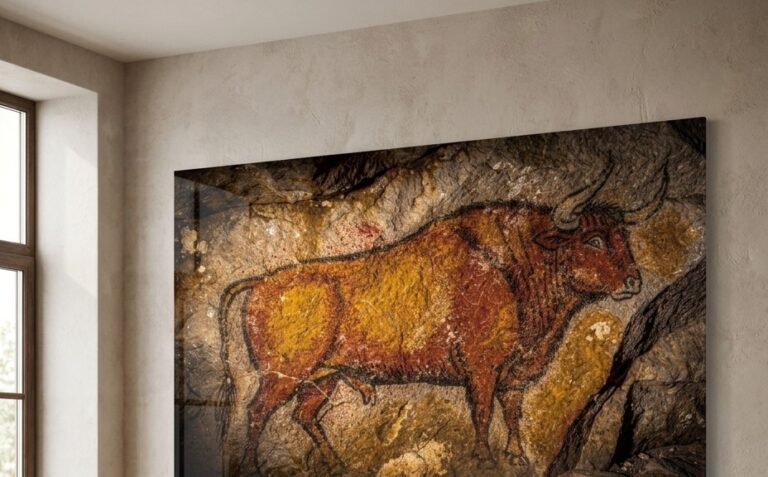 Paleolithic Cave Art
Open & swipe the collection
Paleolithic Cave Art
Open & swipe the collection
-
2
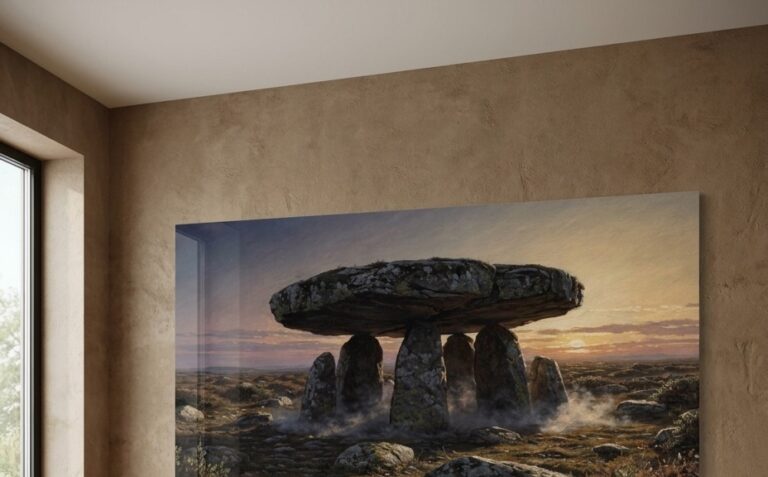 Neolithic and Megalithic Art
Open & swipe the collection
Neolithic and Megalithic Art
Open & swipe the collection
-
3
 Sumerian and Mesopotamian Art
Open & swipe the collection
Sumerian and Mesopotamian Art
Open & swipe the collection
-
4
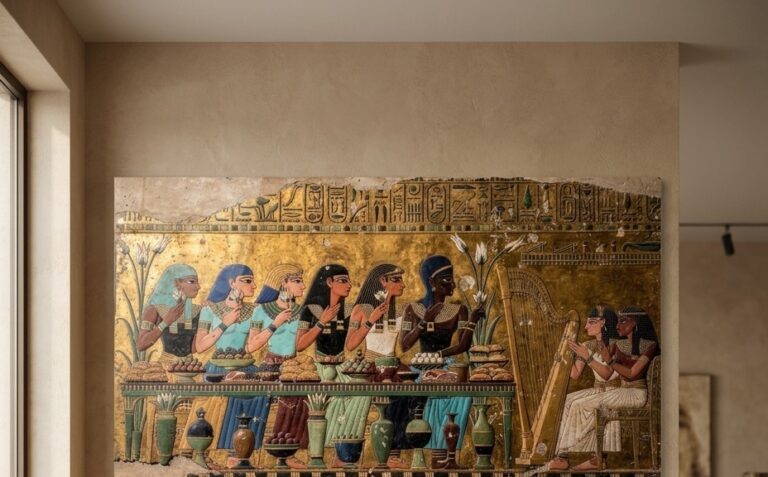 Ancient Egyptian Art
Open & swipe the collection
Ancient Egyptian Art
Open & swipe the collection
-
5
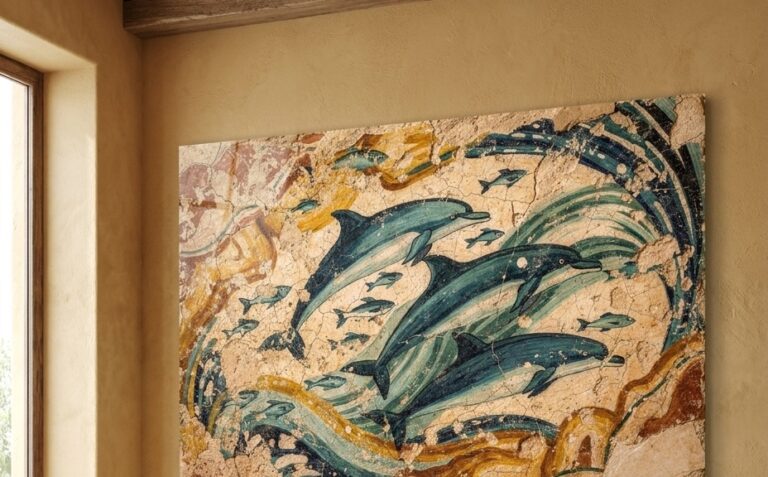 Cycladic and Minoan Art
Open & swipe the collection
Cycladic and Minoan Art
Open & swipe the collection
-
6
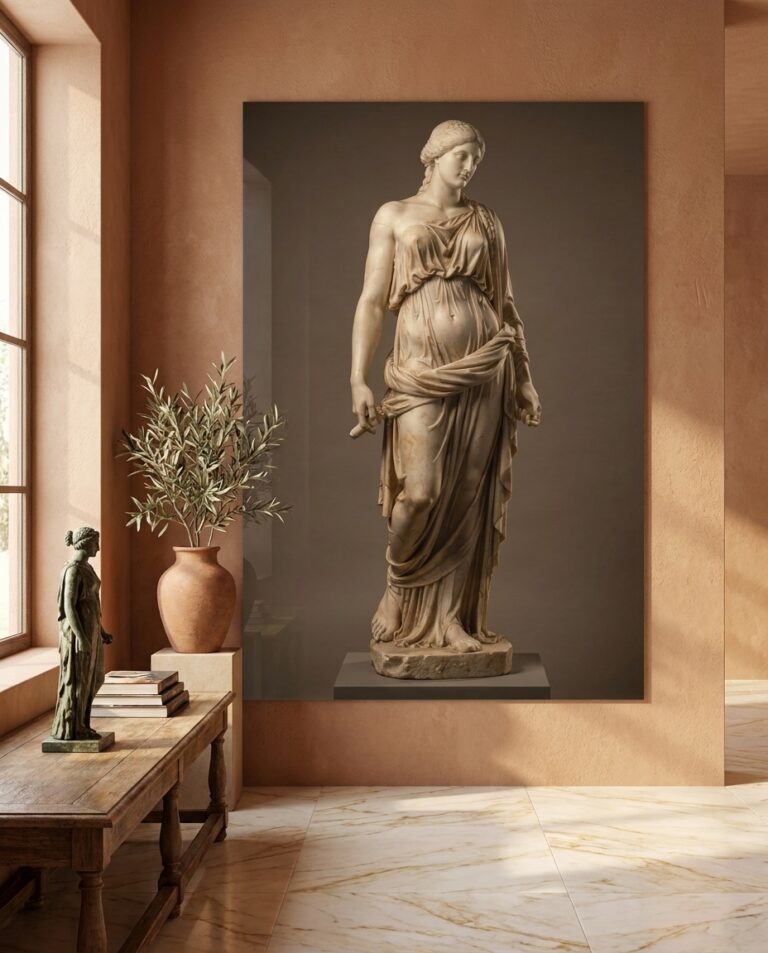 Archaic and Classical Greek Art
Open & swipe the collection
Archaic and Classical Greek Art
Open & swipe the collection
-
7
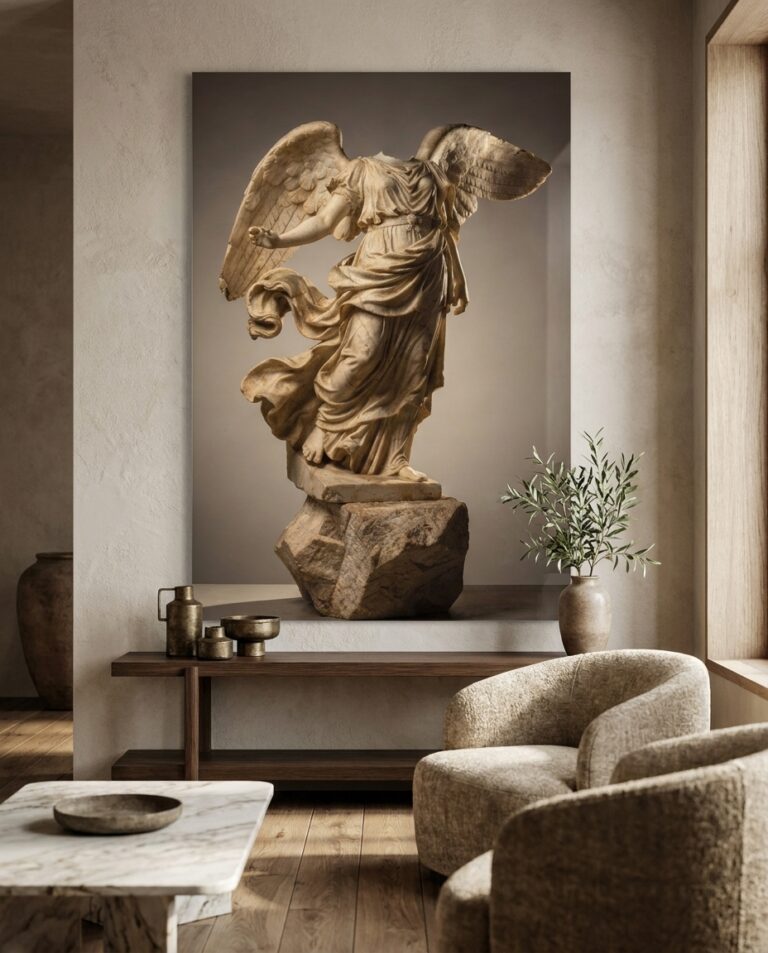 Hellenistic Art
Open & swipe the collection
Hellenistic Art
Open & swipe the collection
-
8
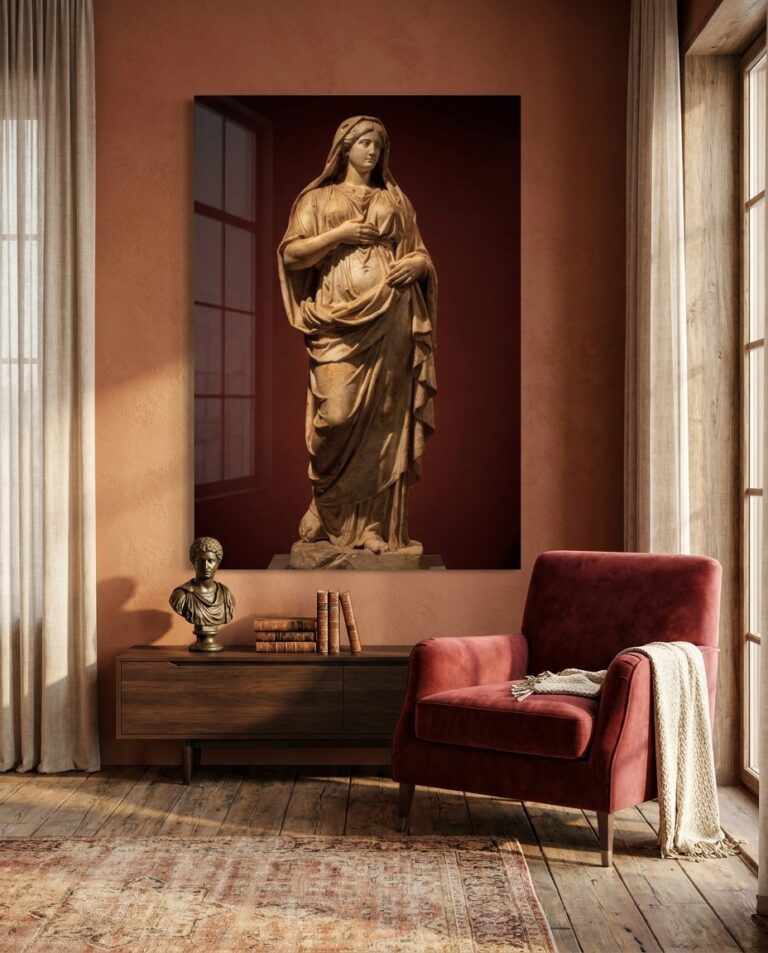 Roman Art
Open & swipe the collection
Roman Art
Open & swipe the collection
-
9
 Ancient Chinese Art
Open & swipe the collection
Ancient Chinese Art
Open & swipe the collection
-
10
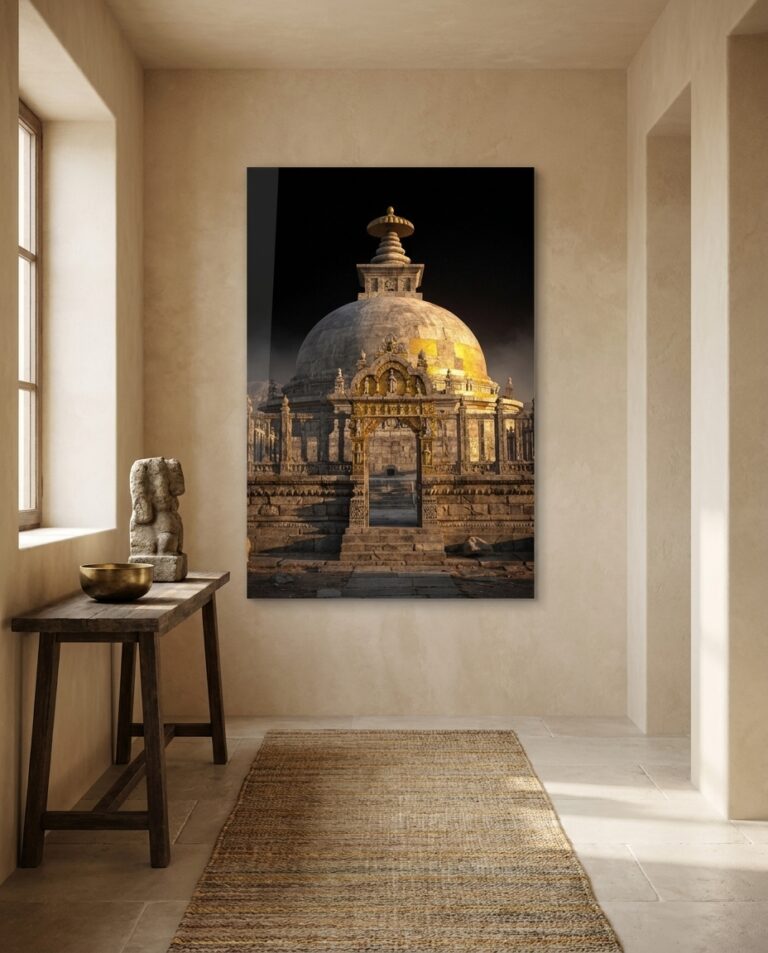 Buddhist and Gandhara Art
Open & swipe the collection
Buddhist and Gandhara Art
Open & swipe the collection
The Medieval World
c. 400 — 1400-
11
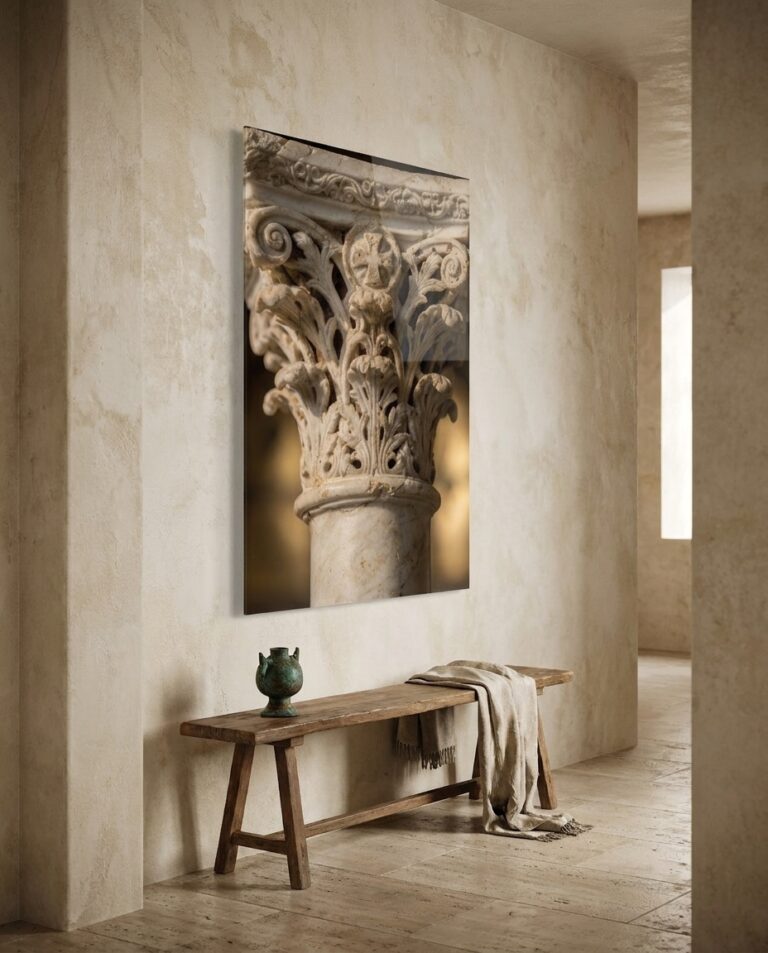 Early Christian and Byzantine Art
Open & swipe the collection
Early Christian and Byzantine Art
Open & swipe the collection
-
12
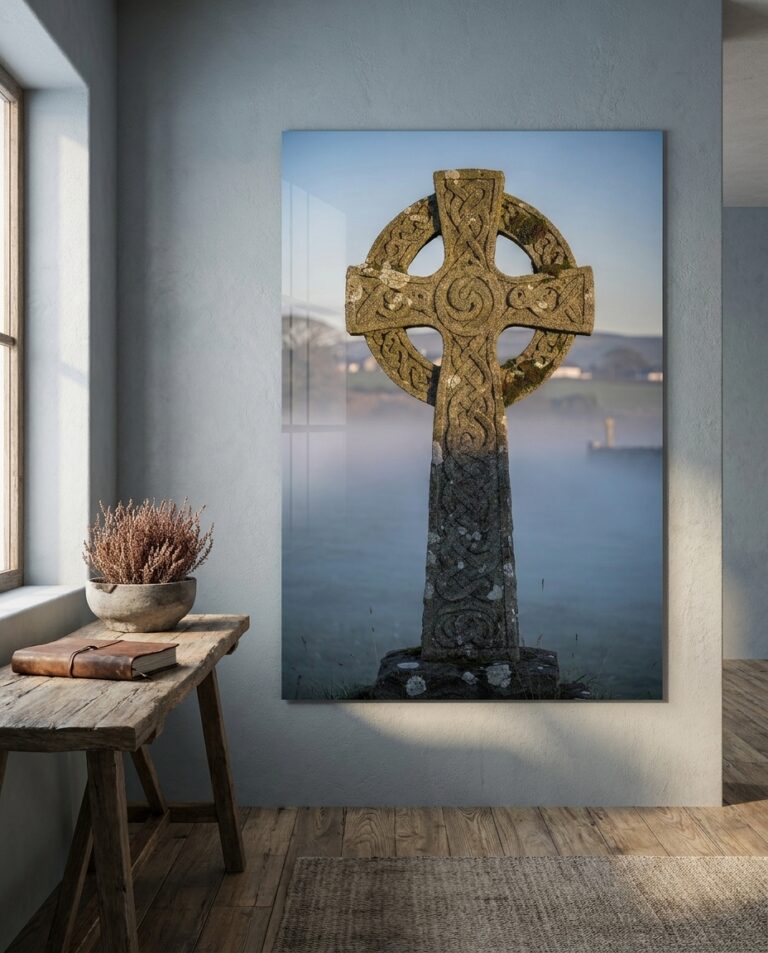 Insular and Celtic Art
Open & swipe the collection
Insular and Celtic Art
Open & swipe the collection
-
13
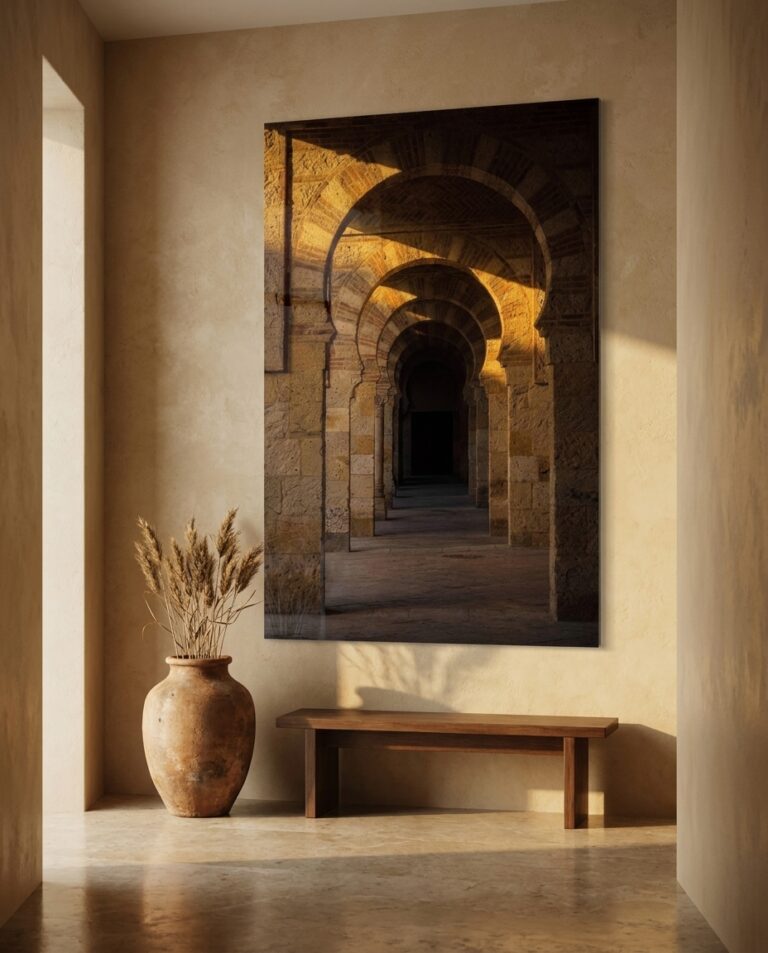 Islamic Art
Open & swipe the collection
Islamic Art
Open & swipe the collection
-
14
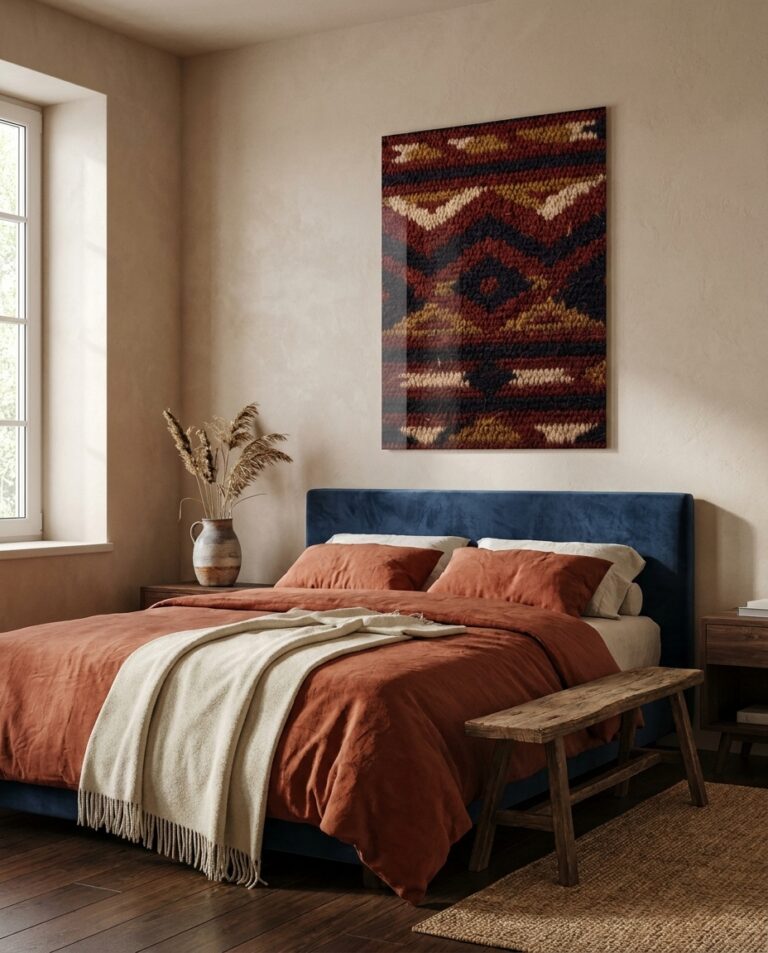 Pre-Columbian Art
Open & swipe the collection
Pre-Columbian Art
Open & swipe the collection
-
15
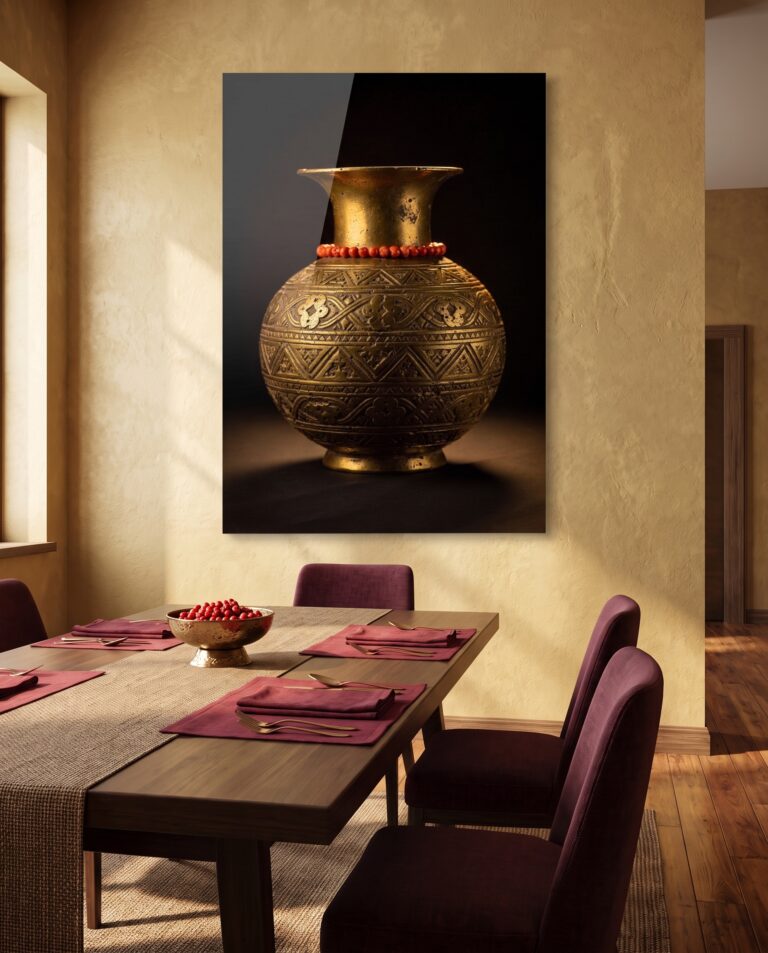 West African Court Art
Open & swipe the collection
West African Court Art
Open & swipe the collection
-
16
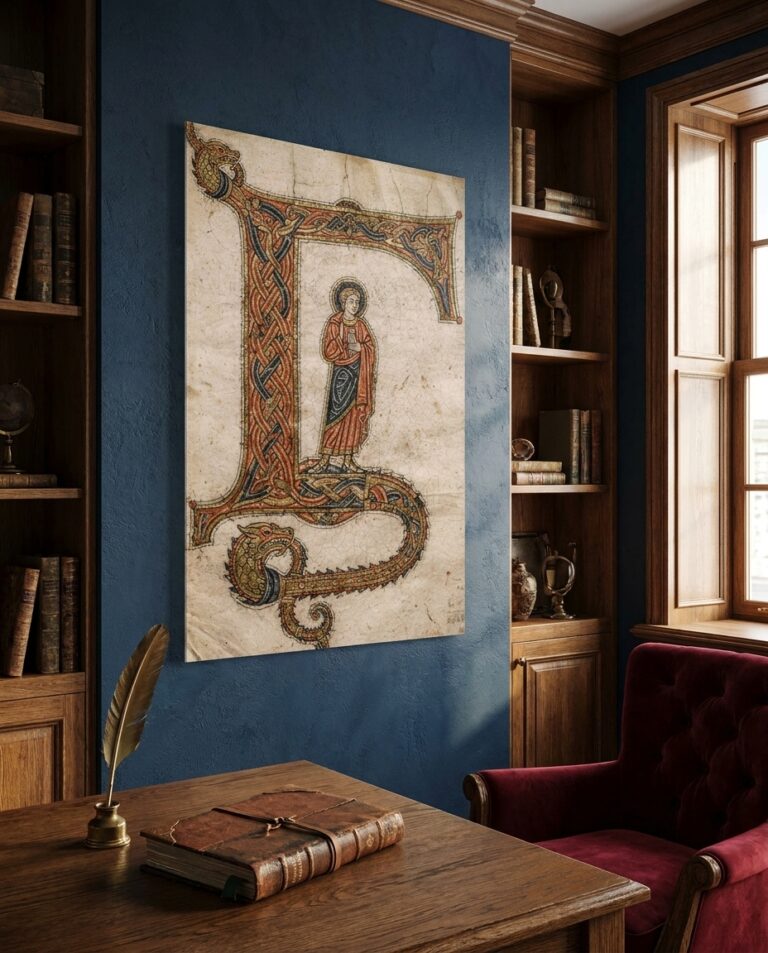 Romanesque Art
Open & swipe the collection
Romanesque Art
Open & swipe the collection
-
17
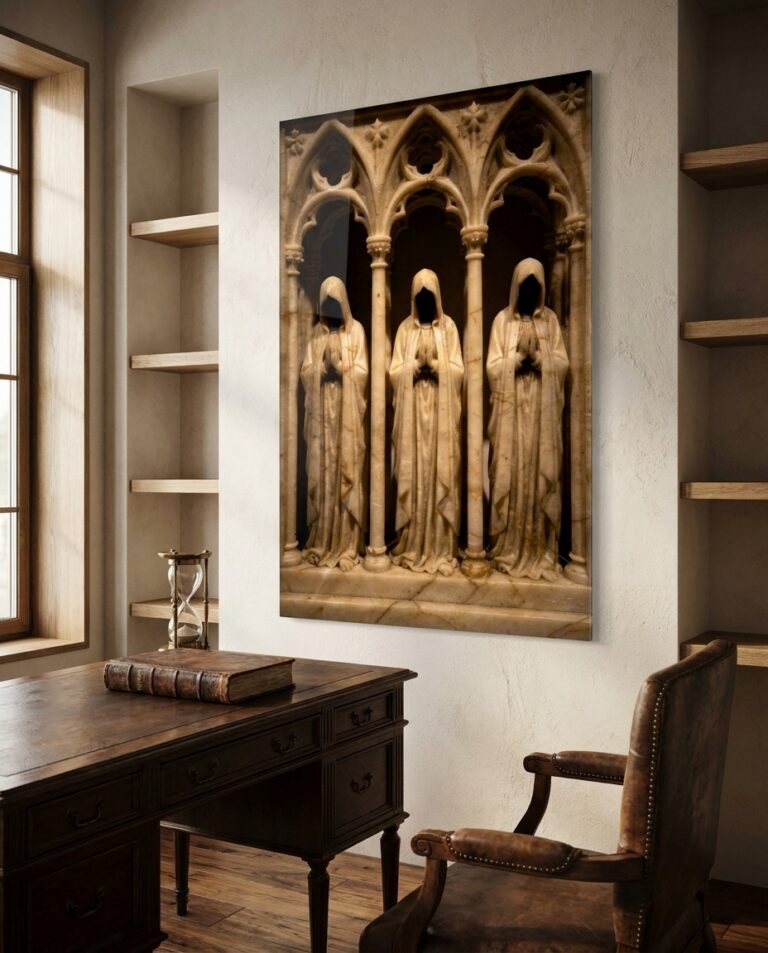 Gothic Art
Open & swipe the collection
Gothic Art
Open & swipe the collection
-
18
 Yamato-e and Heian Art
Open & swipe the collection
Yamato-e and Heian Art
Open & swipe the collection
Renaissance & Baroque
c. 1400 — 1750-
19
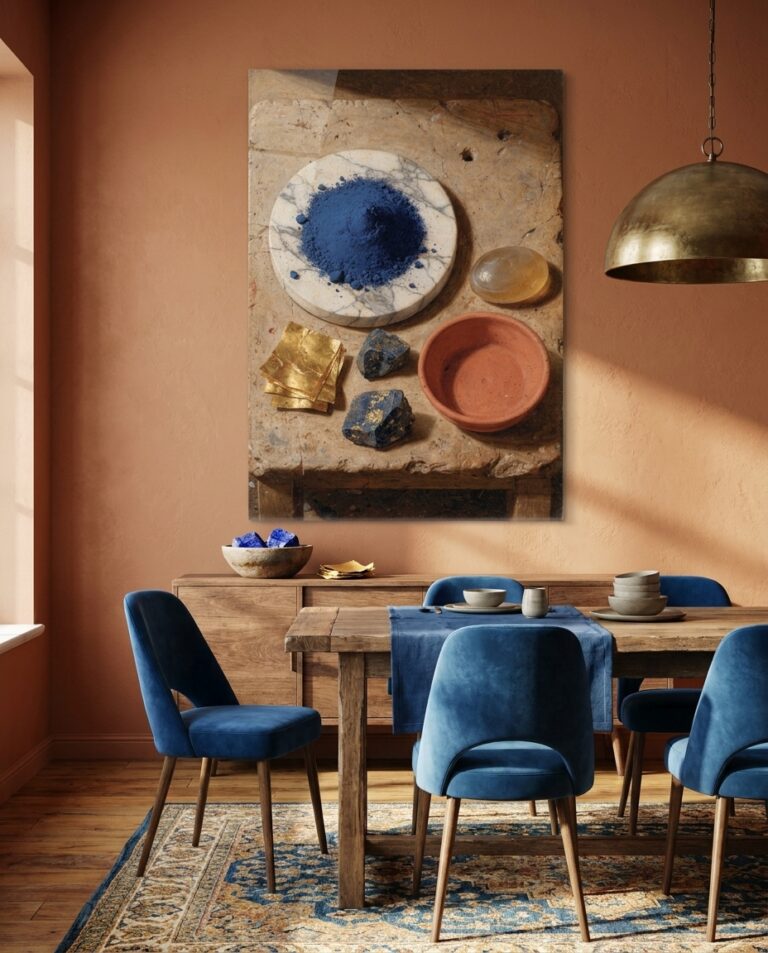 Early Italian Renaissance
Open & swipe the collection
Early Italian Renaissance
Open & swipe the collection
-
20
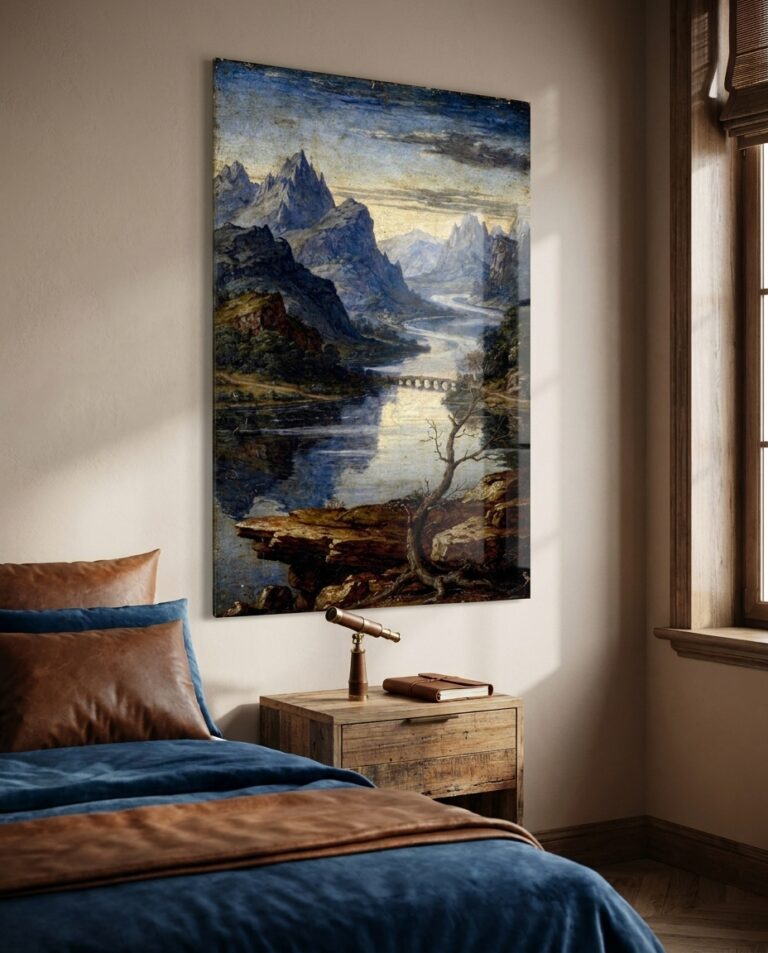 High Renaissance
Open & swipe the collection
High Renaissance
Open & swipe the collection
-
21
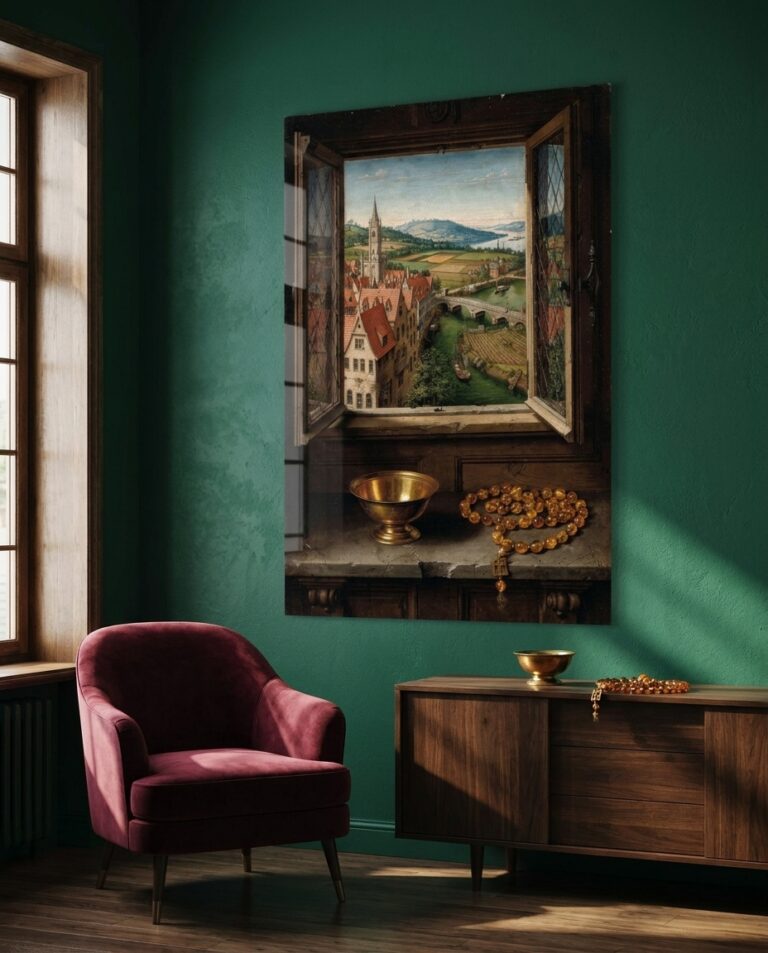 Northern Renaissance
Open & swipe the collection
Northern Renaissance
Open & swipe the collection
-
22
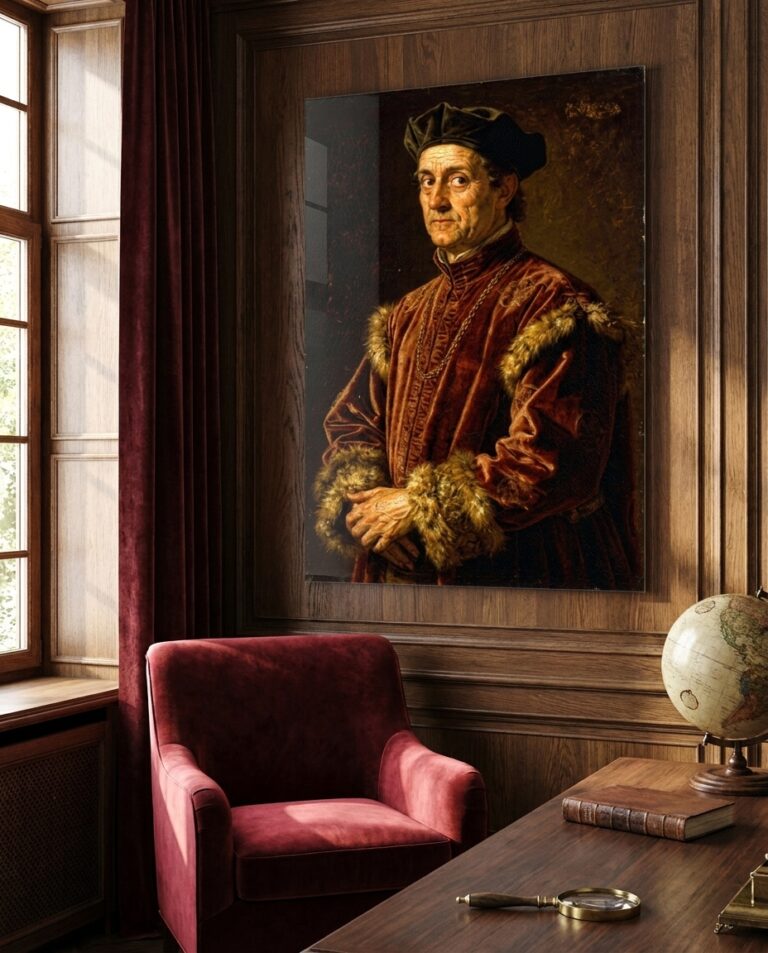 Venetian Renaissance
Open & swipe the collection
Venetian Renaissance
Open & swipe the collection
-
23
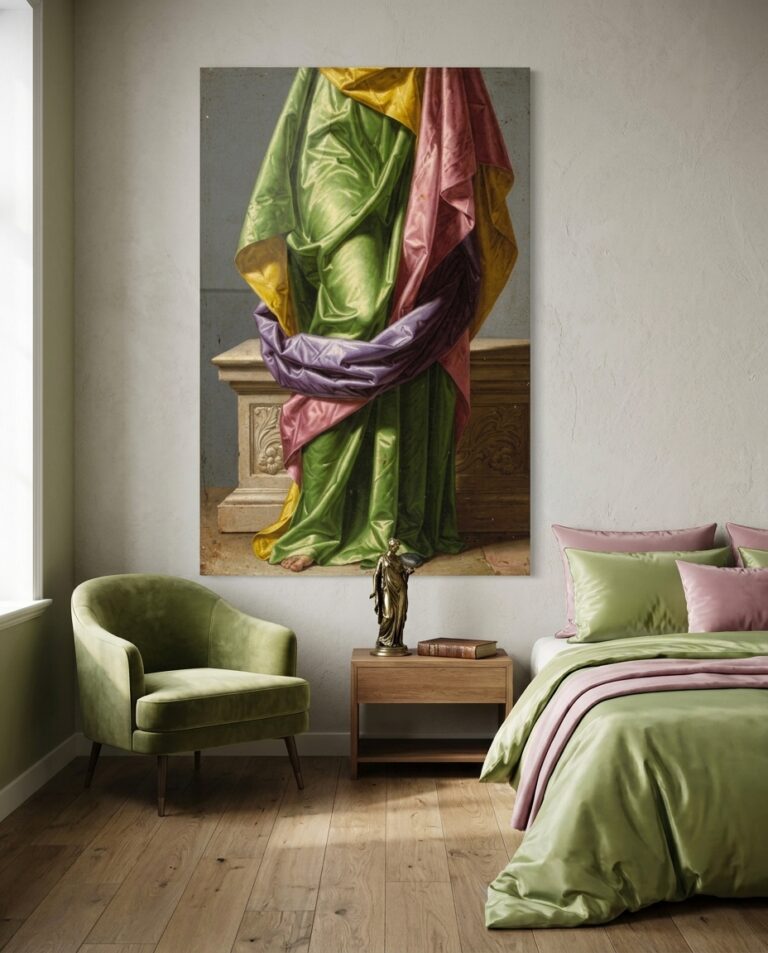 Mannerism
Open & swipe the collection
Mannerism
Open & swipe the collection
-
24
 Baroque
Open & swipe the collection
Baroque
Open & swipe the collection
-
25
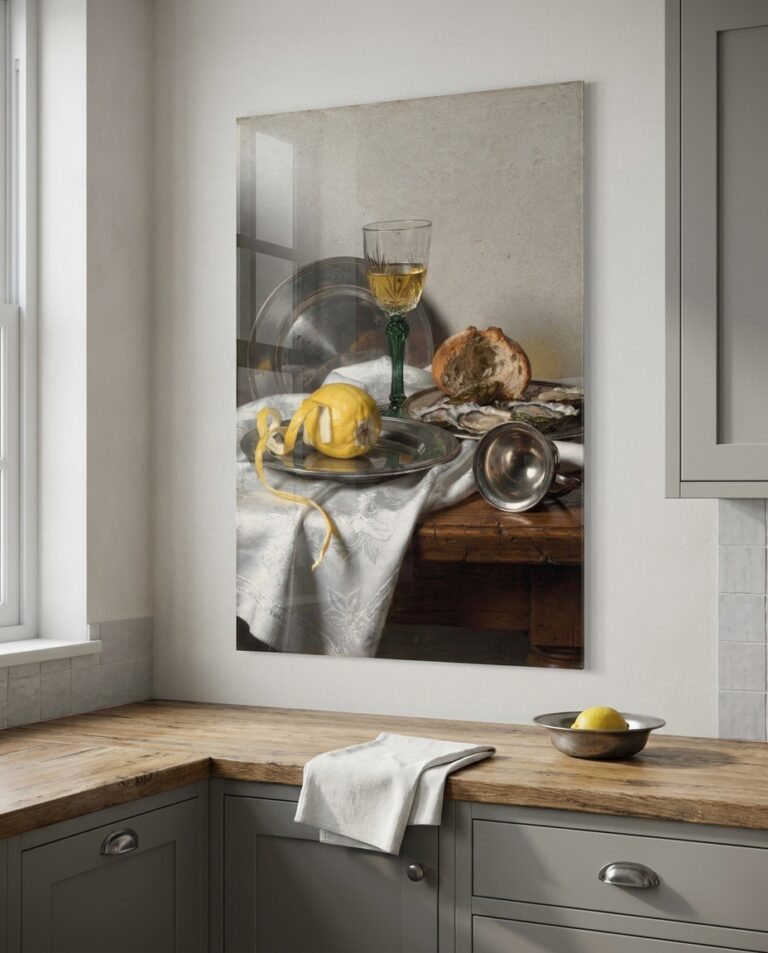 Dutch Golden Age
Open & swipe the collection
Dutch Golden Age
Open & swipe the collection
-
26
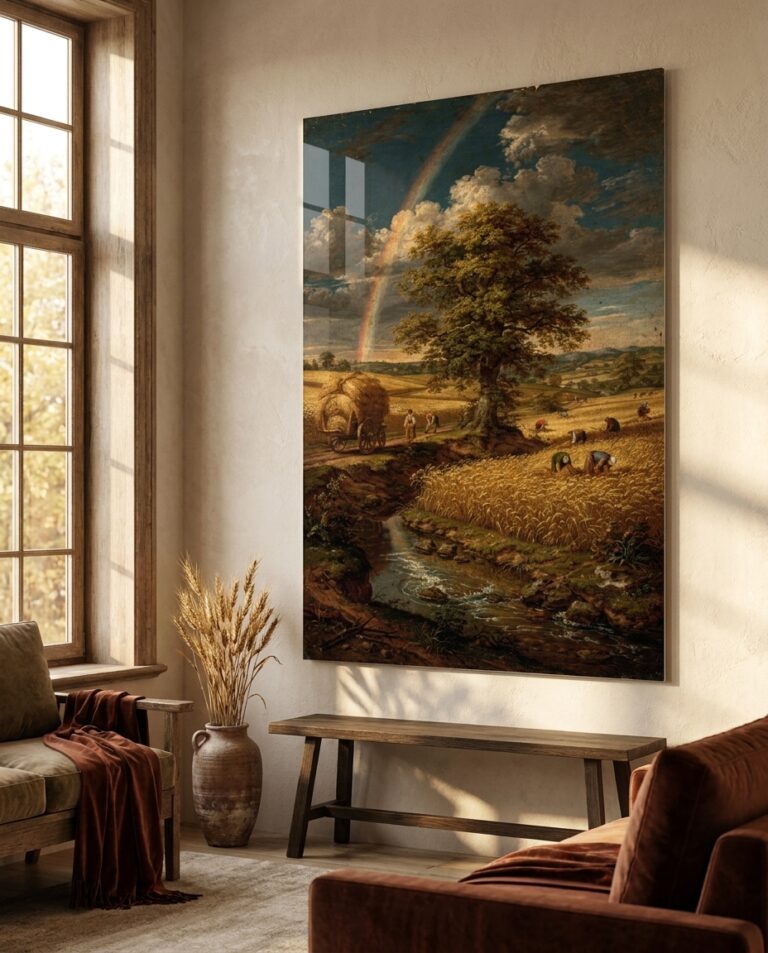 Flemish Baroque
Open & swipe the collection
Flemish Baroque
Open & swipe the collection
-
27
 Spanish Golden Age
Open & swipe the collection
Spanish Golden Age
Open & swipe the collection
- 28 Rococo Coming soon
- 29 Ukiyo-e Coming soon
The 18th & 19th Centuries
c. 1750 — 1900- 30 Neoclassicism Coming soon
- 31 Romanticism Coming soon
- 32 Orientalism Coming soon
- 33 Realism Coming soon
- 34 Hudson River School & Luminism Coming soon
- 35 Pre-Raphaelites Coming soon
- 36 Barbizon & Plein-air Coming soon
- 37 Impressionism Coming soon
- 38 Neo-Impressionism Coming soon
- 39 Post-Impressionism Coming soon
- 40 Symbolism Coming soon
- 41 Art Nouveau Coming soon
- 42 Tonalism & Aestheticism Coming soon
- 43 Arts & Crafts Coming soon
- 44 Naïve Art Coming soon
Early Modernism
c. 1900 — 1940- 45 Fauvism Coming soon
- 46 Expressionism Coming soon
- 47 Cubism Coming soon
- 48 Futurism Coming soon
- 49 Orphism Coming soon
- 50 Suprematism Coming soon
- 51 Constructivism Coming soon
- 52 De Stijl & Neoplasticism Coming soon
- 53 Bauhaus Coming soon
- 54 Dada Coming soon
- 55 Pittura Metafisica Coming soon
- 56 Precisionism Coming soon
- 57 Harlem Renaissance Coming soon
- 58 Surrealism Coming soon
- 59 Art Deco Coming soon
- 60 Magic Realism Coming soon
- 61 Mexican Muralism Coming soon
- 62 American Scene & Regionalism Coming soon
The Mid-20th Century
c. 1940 — 1970- 63 Abstract Expressionism Coming soon
- 64 Color Field Coming soon
- 65 Art Brut & Outsider Coming soon
- 66 CoBrA Coming soon
- 67 Art Informel & Tachisme Coming soon
- 68 Kinetic Art Coming soon
- 69 Op Art Coming soon
- 70 Pop Art Coming soon
- 71 Nouveau Réalisme Coming soon
- 72 Minimalism Coming soon
- 73 Hard-edge Coming soon
- 74 Conceptual Art Coming soon
- 75 Land Art & Earthworks Coming soon
- 76 Arte Povera Coming soon
- 77 Photorealism & Hyperrealism Coming soon
- 78 Feminist Art Coming soon
The Late 20th — 21st Century
c. 1970 — 2026- 79 Neo-Expressionism Coming soon
- 80 Street Art & Graffiti Coming soon
- 81 Postmodern Appropriation Coming soon
- 82 Superflat Coming soon
- 83 Young British Art Coming soon
- 84 Lowbrow & Pop Surrealism Coming soon
- 85 New Media & Video Art Coming soon
- 86 Glitch Art Coming soon
- 87 Vaporwave Coming soon
- 88 Generative & Algorithmic Art Coming soon
- 89 Pixel & Voxel Art Coming soon
- 90 On-chain & Crypto-Art Coming soon
- 91 AI & Neural Aesthetic Coming soon
- 92 Post-Internet & Metamodern Coming soon
- 93 Solarpunk Coming soon
- 94 Afrofuturism Coming soon
- 95 New Contemporary Figuration Coming soon
- 96 Brutalist & Concrete Aesthetic Coming soon
- 97 Grainy Atmosphere Coming soon
- 98 Curated-Calm Abstraction Coming soon
- 99 Visible-Authorship Texture Coming soon
- 100 Contemporary 2026 Synthesis Coming soon
The timeline grows on its own — one movement published twice a week until the whole history of art, from the first cave paintings to 2026, is on the wall.
How this timeline works
Two new movements are published every week, in chronological order. For each one, our studio researches the period — its techniques, its palette, its obsessions — and produces a collection of eight original artworks made in the spirit of that movement. These are not reproductions of existing works: they are new images that answer the question “what would this movement look like, made today?” Every artwork is printed as a Lambda photographic print, face-mounted under acrylic glass.
Frequently asked questions about art history
The oldest known figurative artwork is a narrative scene showing humans and a wild pig, painted at least 51,200 years ago in the Leang Karampuang cave on Sulawesi, Indonesia. It was dated using laser-ablation uranium-series imaging and published in Nature in 2024. In Europe, the oldest dated cave art is a red disk at El Castillo, Spain, at least 40,800 years old.
Art history is usually divided into broad eras. This timeline uses seven: Prehistory and Antiquity, The Medieval World, Renaissance and Baroque, The 18th and 19th Centuries, Early Modernism, The Mid-20th Century, and The Late 20th to 21st Century. Each era contains several distinct movements, from Paleolithic cave art to contemporary digital practice.
A period is a broad span of time defined by history and geography, such as the Renaissance. A movement is a specific shared approach within or across periods, defined by artists pursuing similar ideas — such as Impressionism, Cubism or Surrealism. A single period usually contains many movements, and some movements overlap or run against each other.
There is no fixed number: art historians group movements differently depending on the criteria they use. This timeline follows a curriculum of 100 movements, chosen to cover the full chronological span from Paleolithic cave art to the present while keeping each entry distinct enough to be recognisable by its techniques, palette and subjects.
Chronological order is the most useful for a first pass, because each movement is largely a reaction to the one before it: Impressionism makes more sense once you have seen the academic painting it rejected. This timeline is ordered that way, oldest first, so you can follow the argument as it unfolds rather than jumping between isolated styles.
No. Each collection contains eight original artworks created in the spirit of a movement — its techniques, palette and preoccupations — not copies of existing works. They are tributes rather than reproductions, which is why they carry their own titles and are sold as open editions, printed as Lambda photographic prints face-mounted under acrylic glass.
Yes. Every movement published in this timeline links to its own collection of eight artworks, available in over 45 sizes across seven orientations. Movements that have not been published yet appear in the timeline as forthcoming, so you can see what is coming and in which order.
The timeline runs to the present day, ending with contemporary and digital practice. Because two movements are published each week in chronological order, the most recent entry available at any moment is shown by the counter at the top of the timeline, and the series advances toward the art of today.
Sources and further reading
- Oktaviana, A.A. et al. — Narrative cave art in Indonesia by 51,200 years ago, Nature (2024). The dating study behind the oldest known figurative artwork.
- Brumm, A. et al. — Oldest cave art found in Sulawesi, Science Advances (2021). The earlier 45,500-year-old figurative painting from Leang Tedongnge.
Related reading: Diasec face-mount & Lambda Print — the gallery technique explained · Explore all collections